Dady Font: Stylish Handwritten Type
As a web designer, finding the right font can transform a digital experience. Dady is a stylish handwritten font that brings a contemporary atmosphere to any design. Its impeccable form and balanced structure make it ideal for modern typography projects.
Designed with timeless classic calligraphy in mind, Dady offers a unique blend of elegance and versatility. Whether you're working on a website header, a landing page, or an online store banner, Dady adds a touch of personality without compromising readability.
Visual Characteristics and Digital Appeal
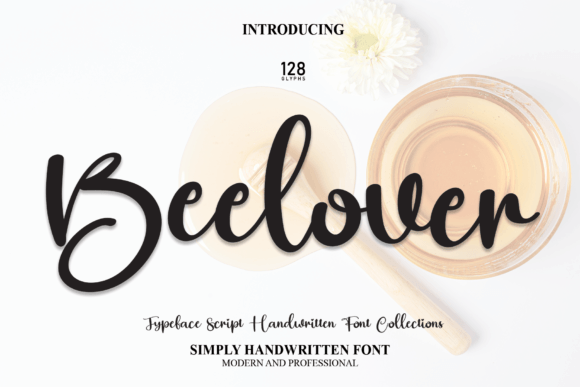
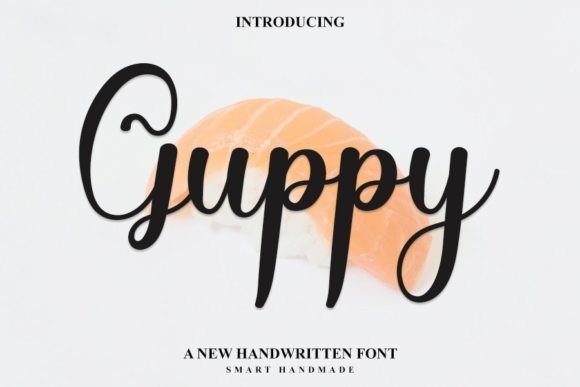
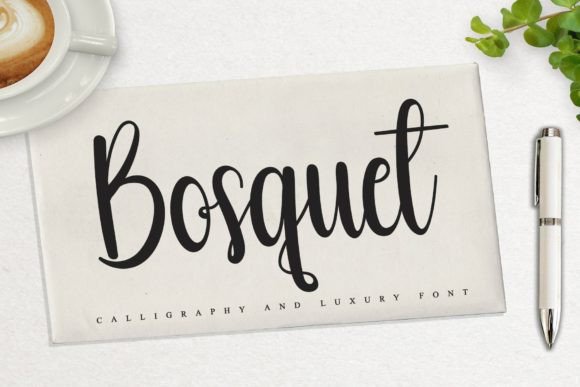
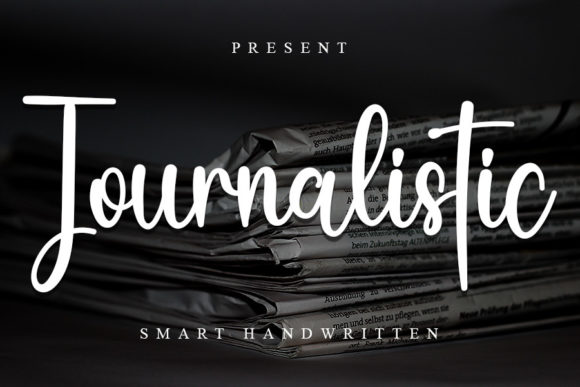
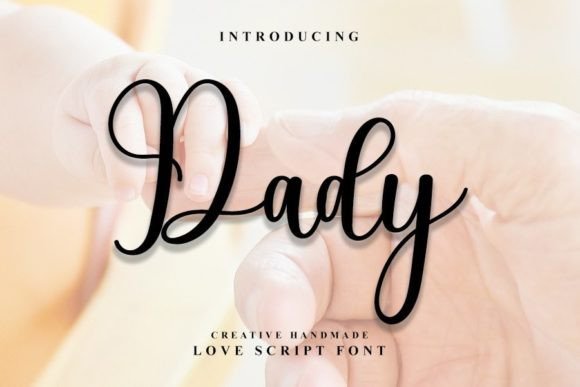
Dady's visual appeal lies in its natural flow and varied strokes. The font has a warm, human feel that makes it perfect for creative projects. Its style is both modern and classic, making it suitable for a wide range of digital applications.
The personality of Dady is friendly yet professional. It works well for brand identities that want to convey authenticity and creativity. Whether used in a logo or as part of a web layout, Dady enhances the overall aesthetic of a design.
Applications in Web Design and Branding
Web designers often use Dady for headers and hero sections where a strong visual impact is needed. Its script style draws attention and sets the tone for the rest of the content. For example, on a creative portfolio site, Dady can be used to highlight a designer's name or a project title.
In landing pages, Dady can be used for call-to-action buttons or short phrases that need to stand out. It adds a personal touch that resonates with users. On an online boutique, Dady can be used for product banners or promotional messages to create a more engaging shopping experience.
For blog graphics and social media posts, Dady brings a sense of artistry. It's great for headlines, quotes, or captions that require a creative flair. When paired with a simple sans serif font, Dady can create a balanced and professional look.
Readability and User Engagement
While Dady is a decorative display font, it maintains good readability even at smaller sizes. This makes it suitable for mobile screens and responsive layouts. When used in small buttons or on dark backgrounds, Dady still retains clarity and visual appeal.
On light backgrounds or image overlays, Dady can be adjusted with proper spacing and contrast to ensure legibility. Its balanced strokes prevent it from looking too cluttered, which helps users scan content quickly.
Using Dady in key areas like headers and section titles improves visual hierarchy. It guides users through the content and reinforces the brand's tone. A well-chosen font like Dady can increase user engagement and build trust in a brand.
Best Use Cases for Dady
Dady excels as a hero title or section heading. Its flowing lines add movement and energy to a layout. For a coaching website, Dady can be used in the main headline to capture attention and reflect the brand's approachable nature.
It's also effective for short phrases, such as taglines or logo text. In a product landing page, Dady can be used for the main offer or value proposition. Its handwritten style adds a personal touch that connects with users.
When used as a decorative accent, Dady complements other fonts without overpowering them. Pairing it with a clean serif or sans serif font creates a harmonious design. This combination is ideal for editorial designs or packaging concepts.
Font Pairing and Design Assets
Font pairing is essential for creating a cohesive design. Dady pairs well with simple sans serif fonts for body copy, ensuring that the text remains easy to read. This combination works well for blog posts, course sales pages, or content sections.
For a more editorial look, Dady can be paired with a serif font. This creates a sophisticated and refined aesthetic, perfect for magazine-style websites or brand kits. The contrast between the two fonts adds depth and interest to the layout.
When using Dady, check the available styles, file formats, and webfont options. Ensure that the font supports the languages and characters needed for your project. Having alternates and multiple weights gives more flexibility in design.
Commercial Licensing and Practical Notes
For web designers and digital creators, commercial font licensing is important. Dady is available for use on websites, client projects, online stores, and digital templates. Always verify the licensing terms to ensure compliance.
When incorporating Dady into a brand identity, consider how it will appear across different platforms. Consistency in typography strengthens brand recognition. Using Dady in a digital brand kit ensures that all assets maintain a unified look.
Whether you're designing a creative portfolio, a boutique online store, or a SaaS landing page, Dady offers a versatile and stylish solution. Its ability to enhance visual hierarchy and brand tone makes it a valuable addition to any design toolkit.