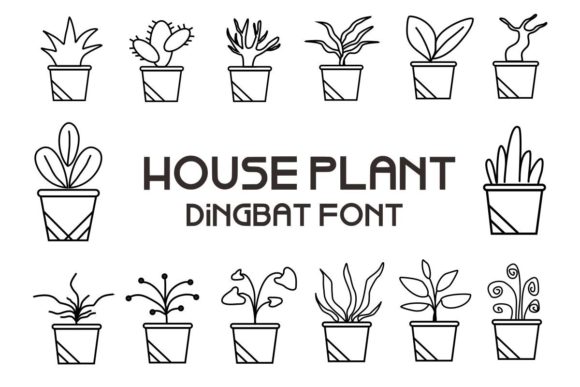
House Plant: A Cute Font for Business Branding
It started with a simple request from a customer who wanted a custom label for her handmade soap. I had the design ready, but something felt off. The text looked too plain, like it wasn’t saying enough. That’s when I discovered House Plant—a cute and beautiful dingbats font that added just the right amount of personality to my work.
House Plant isn’t your typical font. It has a playful, hand-drawn feel that makes it perfect for small businesses looking to stand out without being overwhelming. Whether you’re designing packaging, social media graphics, or business cards, this font can help bring your brand to life in a way that feels authentic and approachable.
What Makes House Plant Special?
House Plant is more than just a font—it’s a visual style that adds charm to any project. Its soft curves and whimsical shapes make it ideal for creative brands that want to convey warmth and friendliness. The font works well for headlines, logos, and decorative accents, giving your designs a unique touch that’s easy to recognize.
As a small business owner, I’ve found that typography plays a big role in how customers perceive a brand. A well-chosen font can make the difference between a forgettable logo and one that sticks in people’s minds. House Plant helps me create a cohesive look across all my materials, from product labels to social media posts.
How I Used House Plant in My Business
I first used House Plant on a new line of candle labels. The font added a gentle, inviting feel that matched the calming vibe of the products. It worked especially well for the scent names and care instructions, making the information easy to read while still looking stylish.
Another time, I redesigned my Instagram templates. Using House Plant for captions and headings gave the page a fresh, organized look that felt more professional. It also helped keep the brand consistent across different platforms, which is important when building trust with customers.
Where to Use House Plant
House Plant is versatile enough to work in many areas of a business. Here are some practical examples:
- Packaging Design: Use it for product boxes, tags, and labels to add a personal touch.
- Business Cards: Create a memorable first impression with a unique font that stands out.
- Menus and Flyers: Make your offerings more appealing with a friendly, readable design.
- Social Media Graphics: Add a bit of flair to thumbnails, banners, and promotional posts.
- Website Banners: Highlight key messages or promotions with a font that feels inviting.
This font is especially useful for short phrases, headlines, and logos. It doesn’t work as well for long paragraphs, but that’s okay—it’s meant to be a display font, not a body text option.
Design Tips for Using House Plant
When using House Plant, keep in mind that readability matters. For small labels or mobile screens, pair it with a clean sans serif font to ensure clarity. This combination helps maintain a balance between style and function.
For example, I often use House Plant for the main title of a product label and pair it with a simple, modern font for the description. This creates a visual hierarchy that guides the reader without overwhelming them.
Font Pairing Ideas
Pairing House Plant with other fonts can enhance your overall design. Here are a few ideas:
- Clean Sans Serif: Use a modern, neutral font like Open Sans or Helvetica for body text to complement House Plant’s personality.
- Elegant Serif: Try a classic serif font like Georgia or Garamond for a more refined look.
- Script Font: Combine it with a flowing script for a handwritten feel that adds warmth and character.
- Handwritten Font: Use a casual, informal font like Great Vibes or Pacifico for a more organic, artistic vibe.
The key is to choose fonts that work well together and support your brand’s identity. Don’t be afraid to experiment—sometimes the best combinations come from trial and error.
Considerations Before Using House Plant
Before using House Plant in your projects, make sure to check what styles, weights, and file formats are included. Some fonts have multiple versions, and knowing which ones you need can save time and effort later on.
Also, consider the licensing. If you’re using the font for commercial purposes, such as selling products or working with clients, make sure you have the proper license. This ensures you can use the font legally and avoid any potential issues down the road.
Finally, test the font in different contexts. Print it on a label, view it on a phone screen, or use it in a digital ad. Seeing how it looks in real-world situations can help you decide if it’s the right choice for your brand.
Why Typography Matters for Small Businesses
Typography isn’t just about making things look good—it’s about creating a strong brand identity. The right font can influence how customers perceive your business, from trustworthiness to creativity.
When I first started my business, I didn’t think much about fonts. But over time, I realized that even small details like the typeface on a label could impact how people saw my brand. Now, I’m more intentional about every design choice, and House Plant has become a go-to font for adding that extra touch of personality.
Whether you’re a baker, a candle maker, a beauty brand, or a café owner, finding the right font can help your business stand out in a crowded market. House Plant is a great option for those looking to add a little charm and consistency to their brand visuals.